
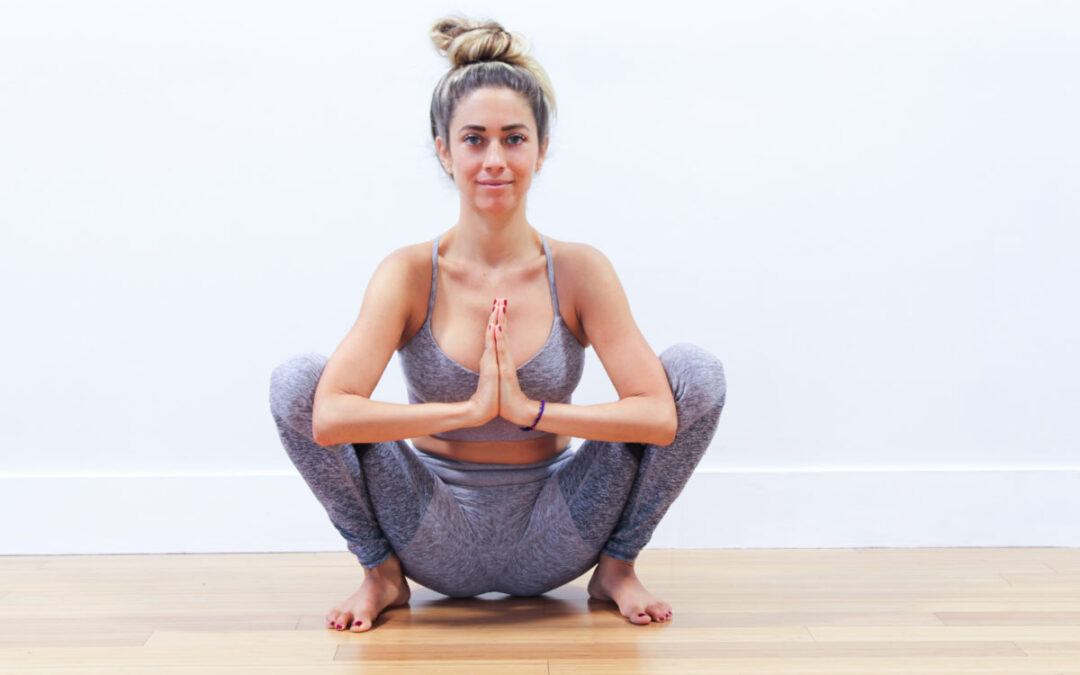
Garland Pose, also known as Malasana, is a deep squat that offers numerous physical and mental benefits. This posture is a staple in many yoga practices and can be modified to suit different levels of flexibility. Let’s explore why you should incorporate Malasana into your routine.
Physical Benefits
- Improved Flexibility: Malasana deeply opens the hips, groin, and ankles. Regular practice can increase your range of motion in these areas, making everyday movements easier.
- Strengthened Core: Engaging your core is essential for maintaining balance in this pose. This helps to strengthen your abdominal muscles and improve overall stability.
- Enhanced Digestion: The squatting position can stimulate digestion by increasing blood flow to the abdominal organs. It can also help to relieve bloating and constipation.
- Relief from Back Pain: By lengthening the spine and opening the hips, Malasana can alleviate lower back pain and improve posture.
- Toned Pelvic Floor: This pose can help to tone and strengthen the pelvic floor muscles, which is particularly beneficial for women’s health.
Mental Benefits
- Grounding: Malasana is a grounding pose that connects you to the earth. It can help to reduce feelings of anxiety and promote a sense of stability.
- Stress Relief: Holding the pose requires focus and breath control, which can help to calm the mind and reduce stress.
- Increased Self-Awareness: By tuning into your body and breath in Malasana, you can cultivate a deeper sense of self-awareness and presence.
How to Practice
- Start Standing: Begin in Tadasana (Mountain Pose) with your feet hip-width apart.
- Squat Down: Bend your knees and lower your hips towards the floor. Keep your feet flat on the ground if possible. If your heels lift, you can place a folded blanket underneath them for support.
- Bring Hands Together: Bring your palms together in front of your chest in Anjali Mudra (prayer position).
- Use Elbows to Open Hips: Use your elbows to gently press your knees open, deepening the hip stretch.
- Lengthen Spine: Keep your spine long and your chest lifted. Avoid rounding your back.
- Hold and Breathe: Hold the pose for 5-10 breaths, focusing on your breath and the sensations in your body.
- Release: To release, place your hands on the floor behind you and gently sit back.
Modifications and Tips
- Use a Block: If you can’t squat all the way down, sit on a yoga block to support your hips.
- Widen Stance: Experiment with widening your stance to find a comfortable position for your hips.
- Listen to Your Body: Never force the pose. If you feel any pain, ease up or come out of the pose.